If the rest of the world caught up with Asia before inching ahead in the 21st century in the men’s game, the continent has never been the standard-bearer in the women’s. No Asian team has won an Olympic gold or a World Cup title in the combined 27 editions of these tournaments. In fact, in the 15 World Cups, only three times has an Asian team made the semifinals, with China’s run in 2002 being the most recent.
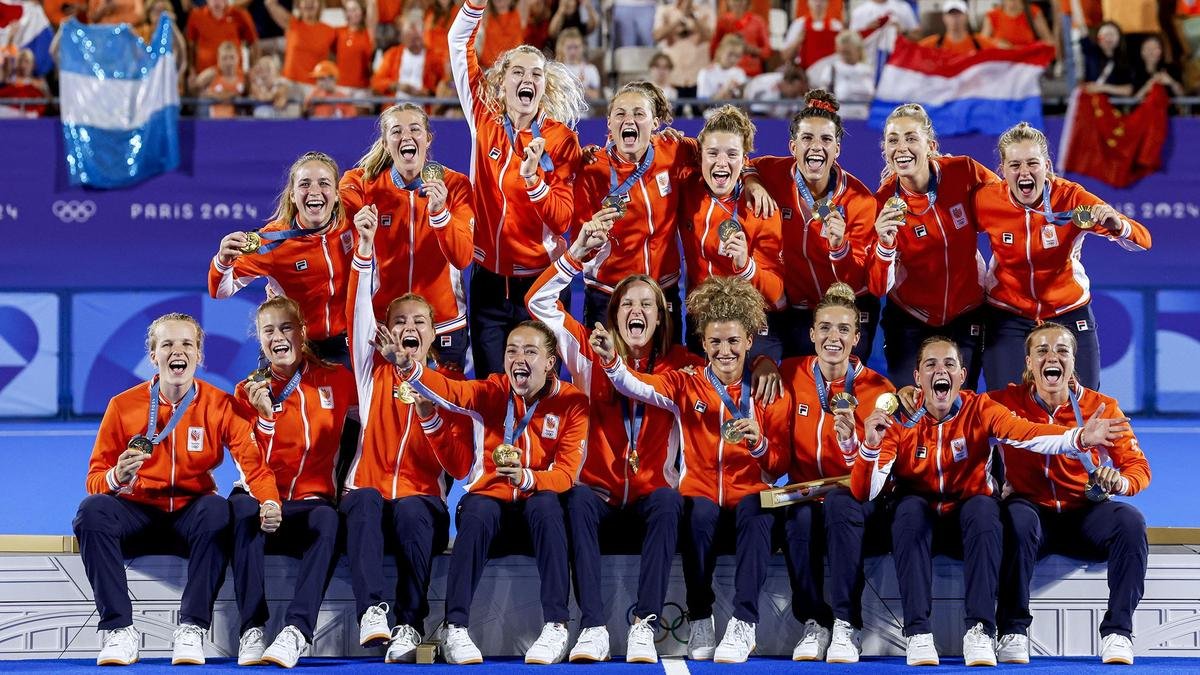
The Netherlands is the superpower in the women’s game, rattling off successive Olympic golds and World Cup titles. The rest of the world, including Argentina and Belgium, is trying to close the gap, without much success. China, too, has rediscovered its past glory in recent years and is now in with a shout.
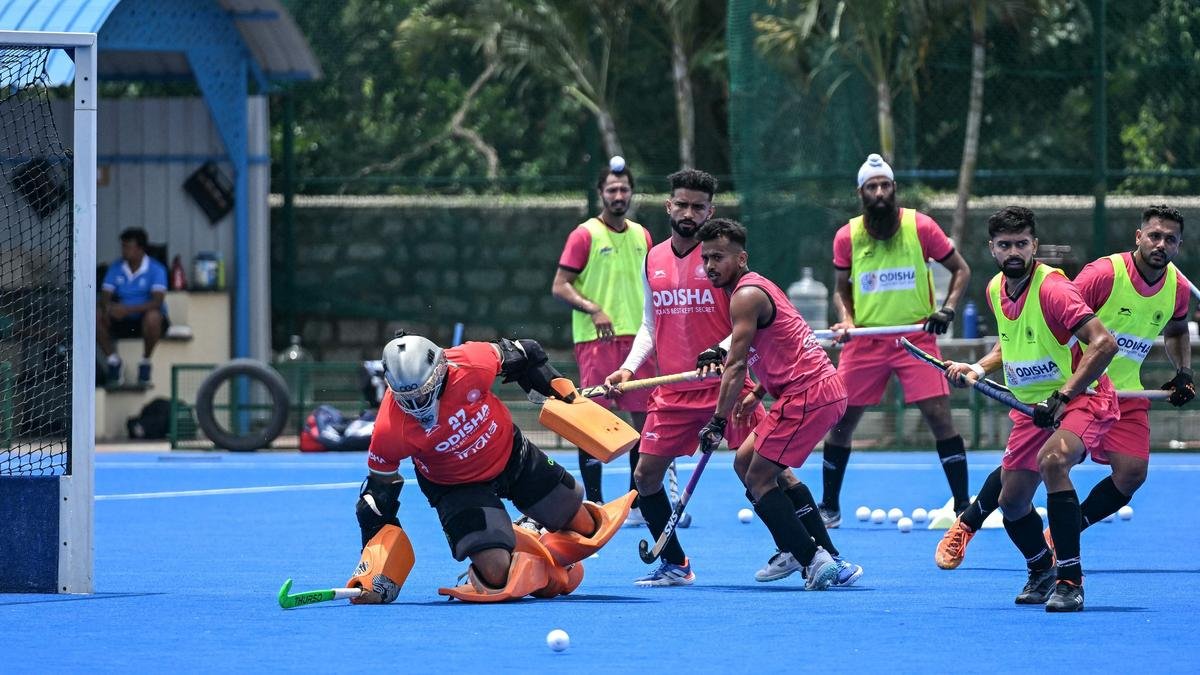
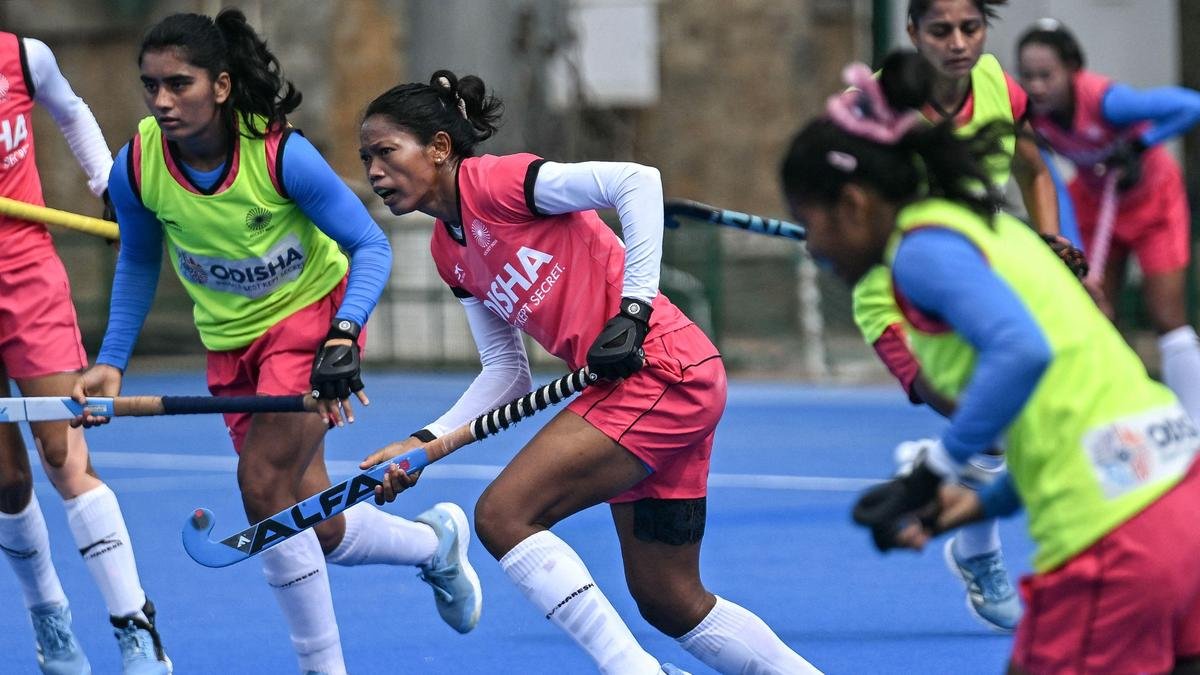
India, meanwhile, has never been blessed with the abundance of talent available to its male counterpart. It has tasted modest success on the continent but has failed to make any serious dent on the world stage. For the women’s team, the battle often seems to be both on and off the pitch.
The World Cup arrives against a difficult backdrop for Indian hockey. A former national team captain has levelled allegations of sexual misconduct and criminal intimidation against a coach and Hockey India secretary general Bholanath Singh, respectively. Separately, the change in the colour of the team’s jersey has stirred its own controversy.
At one point, even qualification for the World Cup appeared to be in jeopardy following a woeful Pro League campaign that ended in relegation and the departure of the then head coach, Harendra Singh.
In January this year, HI brought in Sjoerd Marijne, who masterminded India’s joint-best finish (fourth) at a Summer Olympic Games in 2021, to arrest the decline. The Dutchman has made an instant impact, restoring work ethic, tactical discipline and belief in the group, while securing World Cup qualification and Pro League promotion.
Marijne sees the World Cup as a platform to test his ideas and sharpen the team’s conditioning ahead of the crucial Asian Games, with the bigger objective of returning to the Summer Olympics in two years’ time.
The immediate challenge is formidable. In its opening pool, India is grouped with China and England, both ranked above it, along with South Africa, the lowest-ranked side in the tournament. India was outplayed twice by China at last year’s Asia Cup under Harendra, while it failed to make the most of its chances in its loss to England in the final of the World Cup qualifiers in March.
Only the top two sides will progress to the second stage, and Marijne will know he has a difficult task on his hands. The performances and results in Australia and the Nations Cup, however, have provided a much-needed morale boost ahead of these crucial two months.
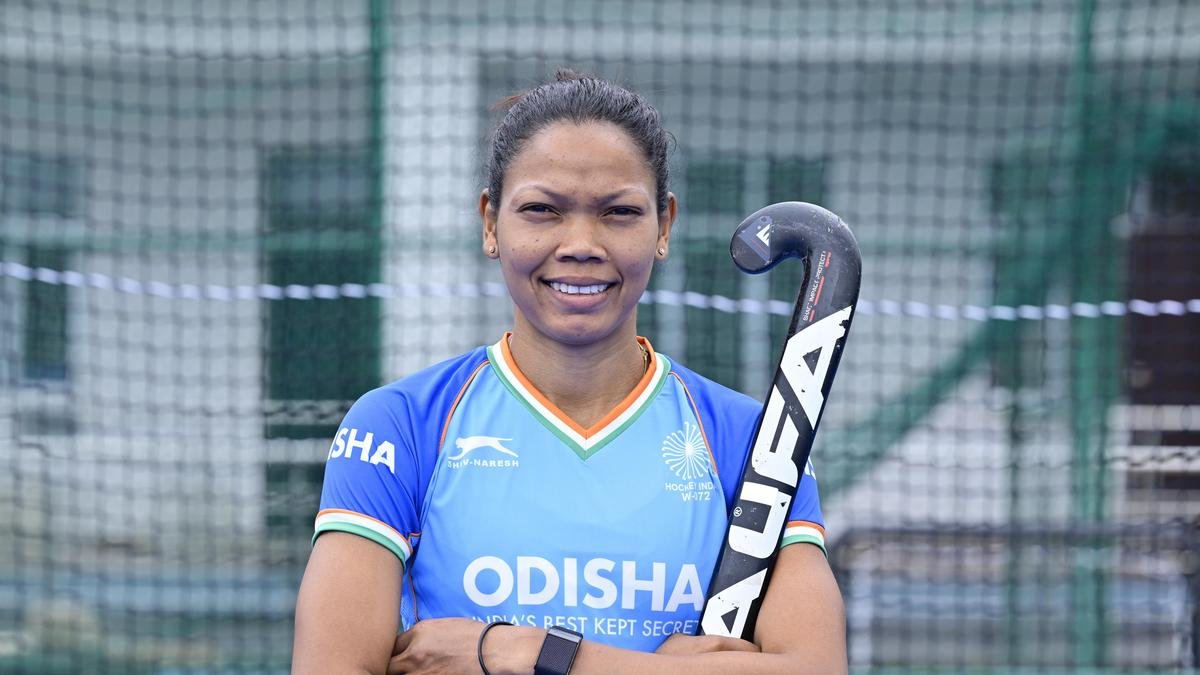
Forward Navneet Kaur’s dazzling skills and goal-scoring form over the last 12 months will be vital to India’s hopes. Marijne has called for greater efficiency in field goals, but there is a real lack of depth to support Navneet up front. India captain and midfielder Salima Tete will hope she can call on the experience of Savita, Nikki Pradhan, Sushila Chanu and Neha to step up alongside her.
If India somehow manages to get into the second round, things get harder still, with Australia and the Netherlands waiting alongside whichever of China or England advances.
The co-host and three-time defending champion, the Netherlands, remains a level above the chasing pack. Head coach Raoul Ehren, a long-time business associate of Marijne, has taken a serial winning side and made it near-unplayable. Adopting an intense counter-pressing style, the Oranje claimed a fourth successive Pro League crown, notching up 14 wins while losing just once in a shootout.
That pressing game has made it difficult for teams to break down its defence, which conceded just seven goals, 15 fewer than in the previous campaign.
Influential playmaker Xan de Waard, who is hanging up her stick at the end of the World Cup, will be instrumental to the pressing game. After a decorated career, she will have the opportunity to bow out in front of home supporters amid the Amstelveen summer, targeting a fourth World Cup crown.

Dutch weapon: When the Netherlands earns a Penalty Corner, Yibbi Jansen is never far from the equation.
| Photo Credit:
Getty Images

Dutch weapon: When the Netherlands earns a Penalty Corner, Yibbi Jansen is never far from the equation.
| Photo Credit:
Getty Images
In midfield partner Yibbi Jansen, the Dutch possess the most feared drag-flick specialist in the game. In the Pro League, she found the board 15 times from Penalty Corners, and opposition defences will need to work out a way to stop the Dutch’s key threat.
Across the Netherlands’ last three major competitions, only four teams have beaten it: Argentina, Belgium, India and Australia. Of those, only the South American and European nations managed to beat a near full-strength side.
Argentina’s win came in the 2024-25 Pro League, after which it followed up with a second-place finish, then repeated that runner-up spot in 2025-26.
Defender Agustina Gorzelany will be the one to watch from set pieces. She is lethal with her drag-flicks, and her tally of 29 goals from set plays is second only to Jansen’s 32 in the last two Pro League seasons.
Las Leonas are possibly the closest challengers to Dutch dominance. But after falling short against the Netherlands in the 2022 World Cup final and 2024 Olympics semifinal, they will know that their best might still not be enough.
Belgium, hosting the World Cup for the first time, will be another team to keep a close eye on. Under Ehren, who took charge in 2020, the Red Panthers went from a bottom-half side in the Pro League to a consistent top-half team, before making the Olympic semifinals for the first time in their history.
After Ehren left the post in 2024 on a sour note, Adam Commens, long embedded in the Belgian hockey set-up, stepped up to lead the side to successive third-place finishes in the Pro League.

Midfield engine: Belgium’s midfield heartbeat, Alix Gerniers will be central to the Red Panthers’ hopes on home soil.
| Photo Credit:
Getty Images
Midfield engine: Belgium’s midfield heartbeat, Alix Gerniers will be central to the Red Panthers’ hopes on home soil.
| Photo Credit:
Getty Images
Belgium will hope to cash in on any home advantage, even though it lost five of its eight matches at Wavre this year. It has the pace, skill and experience to trouble the field. Midfielder Alix Gerniers remains central to the side and will need support from fellow experienced players such as Michelle Struijk, Stephanie Vanden Borre and Judith Vandermeiren.
China will be the real dark horse after its stellar rise under Australian head coach Alyson Annan, who led the side to an Olympic runner-up finish sandwiched between Asian Games and Asia Cup titles.
The consistency has carried over against the best teams too, with China finishing fourth in the Pro League in each of the last two seasons.
Defence remains a concern after China shipped 19 goals in four games against the Netherlands, Germany and Belgium, though it has shown it can beat anyone on its day. Attacking play could be the bigger issue in the latter rounds, but midfielder Li Hong, who plays her club hockey in Amsterdam H&BC, will be keen to make her mark against the best in the world.
Mixed Pro League form leaves Germany, Australia and Spain as outsiders for the title. Unlike in 2022, there is no debutant this time, with Ireland, Scotland, Chile and South Africa bracing for a tough outing.
Published on Aug 14, 2026