Even though the World Cup is among the pinnacles of the sport, it is safe to say the timing of this edition was one of major inconvenience for the Indian men’s team. After the year it had endured, in which it was well short of matching up against top contenders, the World Cup only served to magnify the flaws already present in the set-up.
Without it, India would have gone into the Asian Games in Aichi-Nagoya as a hot favourite to retain the gold, which might have masked its deficiencies.
In the World Cup in Amstelveen, those flaws were laid bare. The manner of the capitulation in the must-win game against Argentina would have brought back nightmares of the 8-0 drubbing the South American side dished out in the Pro League earlier this year. Head coach Craig Fulton shouldered responsibility for the loss, but the repeated errors and indecision on the field must be shared by the players, too.
India came into the tournament as the world No. 8 side. It also played like one. This side expectedly beat lower-ranked sides Wales and Pakistan, but lost all three of its outings against higher-ranked opposition: England, Netherlands and Argentina. The only consistent thing about this team has been its inconsistency, managing a good half in just two of the four quarters across these matches.
The losses against these three nations highlighted how far behind India is when it comes to speed, physicality and technical ability. The ease with which some of the Argentine players beat their markers with skill and directness was in stark contrast to India, which struggled to break open opposition defences.
Fulton conceded that his players were struggling to form the connections needed to get into good scoring positions inside the circle. Among the top eight sides, India had scored the fewest field goals after five games. If not for Harmanpreet Singh’s dragflicks, which yielded six goals, this could have ended even worse.
With a seventh-eighth classification game to go, India has let in 16 goals in five matches, the most it has conceded in an edition since 2010. Yet, the class of 2026 is a significantly experienced group.
The performances of some of the seniors, including Amit Rohidas and Mandeep Singh, were underwhelming. Rohidas had an ordinary outing, while Mandeep, who is yet to score, has been on the periphery. Is there a road ahead for them beyond the Asian Games?
Manpreet Singh, approaching the latter half of his 30s, also had a mixed World Cup. Repeated injury concerns for Harmanpreet, who played the second-round matches with a back strain, will add to Fulton’s woes.
With the pressure mounting, Fulton will know that a gold medal at the Asian Games, which would also seal a Los Angeles Olympics berth in 2028, would offer him some breathing room. But he must act swiftly if India is to avoid slipping further away from the rest of the world.
Ray of hope
The same cannot be said for the women’s team, however. Expectations were low-key for a side that only began to take shape under the returning Sjoerd Marijne seven months ago.
But in a short period, progress can be measured in both results and performances, from a squad that included 11 tournament debutants. Put together in a tough group involving China and England, the world No. 9-ranked side pipped the latter to break into the top eight. With a fifth-sixth classification game to come, the women’s side is on track for its best World Cup finish since the inaugural edition in 1974.
After turbulent spells under Janneke Schopmann and Harendra Singh, Marijne has brought familiarity and much-needed belief that had previously been lacking. “The team’s environment has changed a lot. It’s a healthy environment where everyone can speak, everyone can laugh, and questions are asked for their improvement,” Savita Punia, the senior-most member of the team, told Sportstar.
India started with an impressive 2-2 draw against world No. 4 China, before holding England to a goalless draw. In the five matches it played, it lost just once, to three-time reigning champion Netherlands, which was made to work hard for its win.
Bichu Devi, who has stood up in Savita’s absence in recent times, continued her rise with another solid showing, adding a career highlight with the last-minute save against England that ensured India’s progress into the second round.
Several young players, including Sakshi Rana, Sunelita Toppo, Deepika and Ishika, impressed. But the lack of tournament experience also cost the side when Shilpi Dabas conceded a Penalty Stroke in the draw against China, and in the error-strewn performance in the goalless draw against Australia, which ended its semifinal hopes. The over-reliance on Navneet Kaur, India’s top-scorer, for goals ultimately caught up with it.
There will be plenty to learn from this exposure for Marijne’s transitional side, which will head into the Asiad hoping to upset China once again and go for gold.
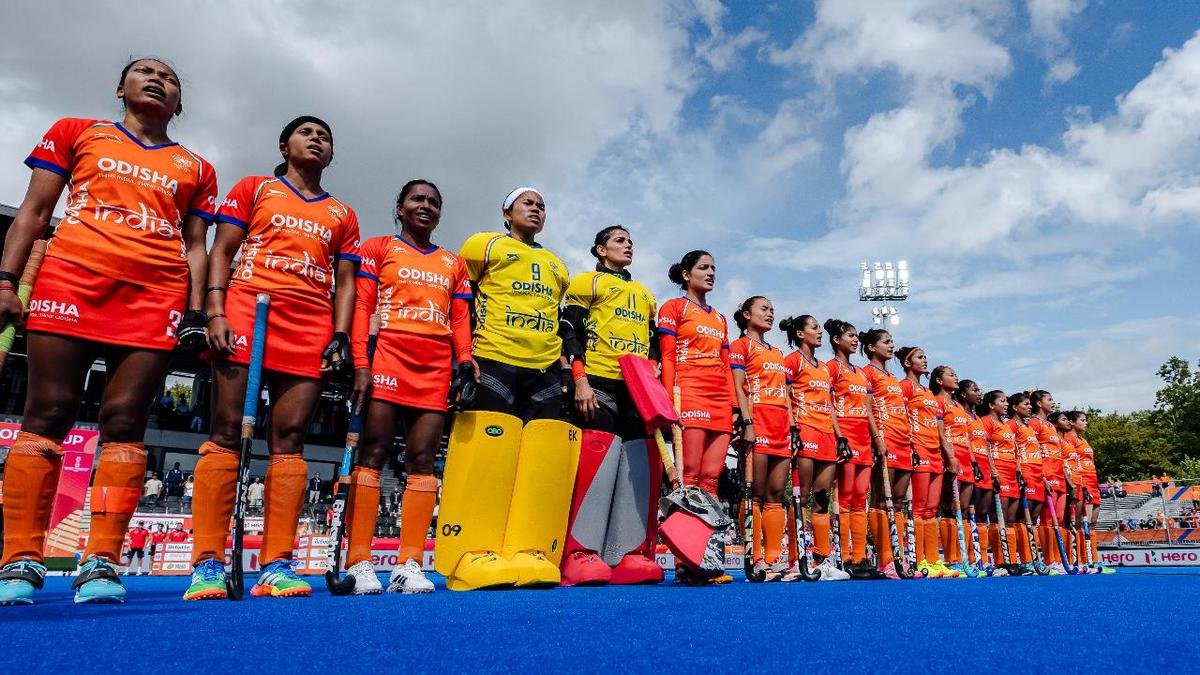
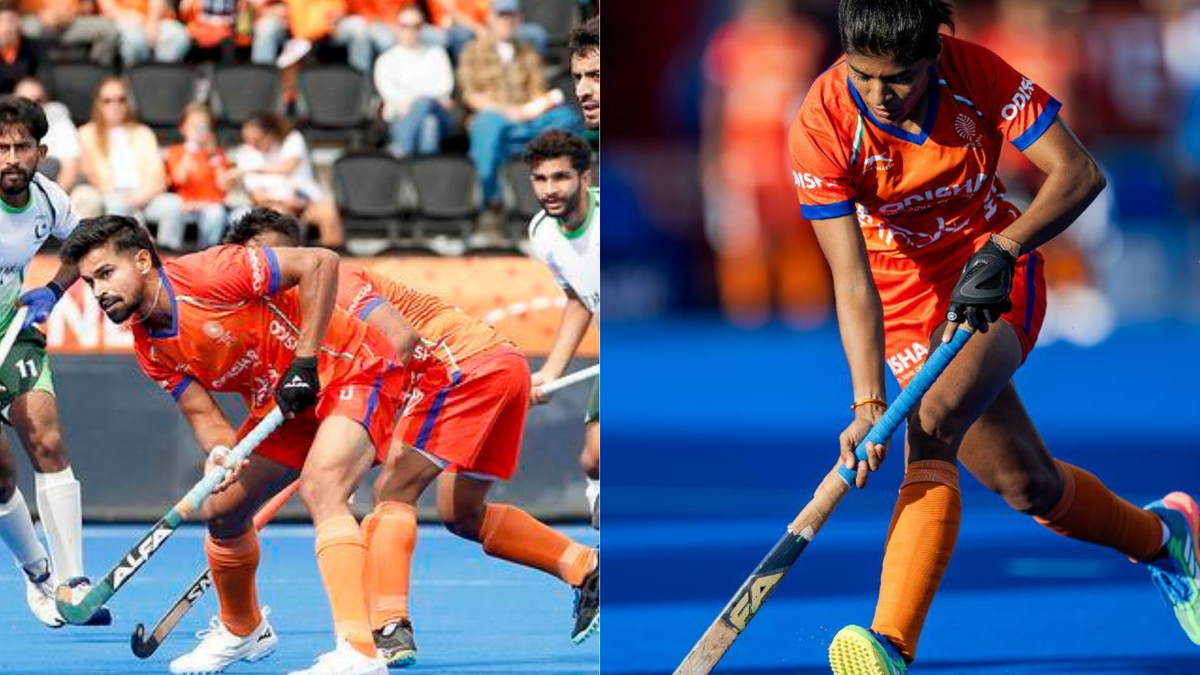
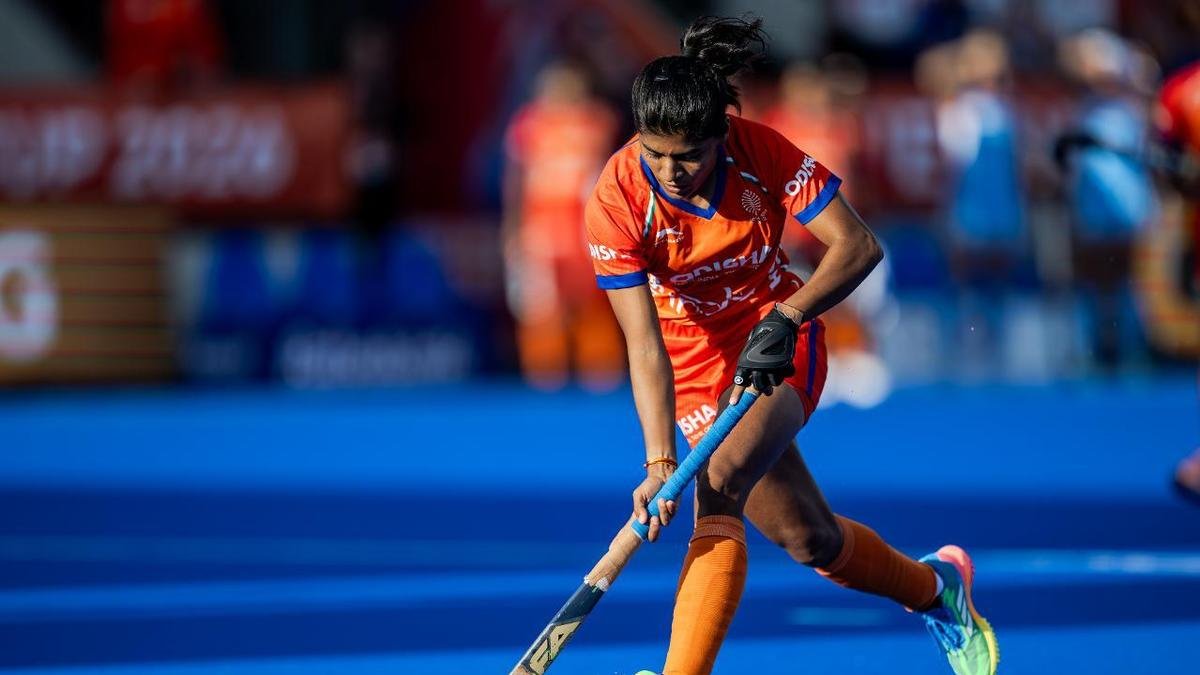
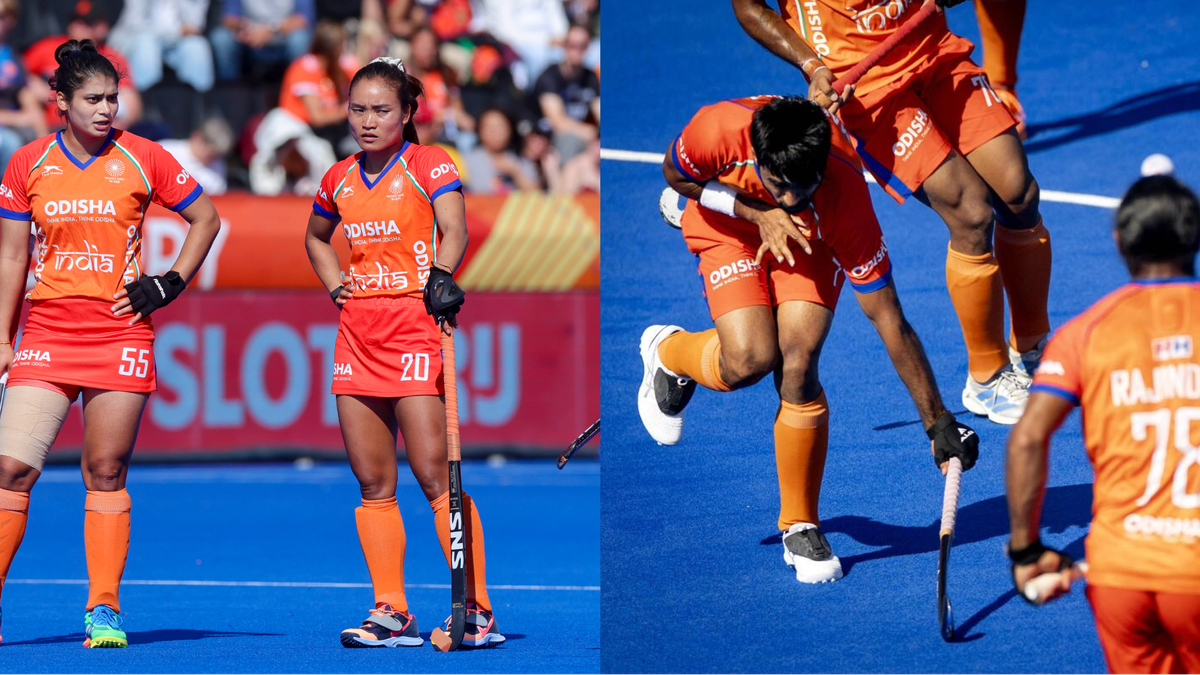
The furore over the new kits died down as both teams started on a positive note in them. But the irony was hard to miss: in orange, India lost all three matches against teams wearing blue.
Published on Aug 25, 2026