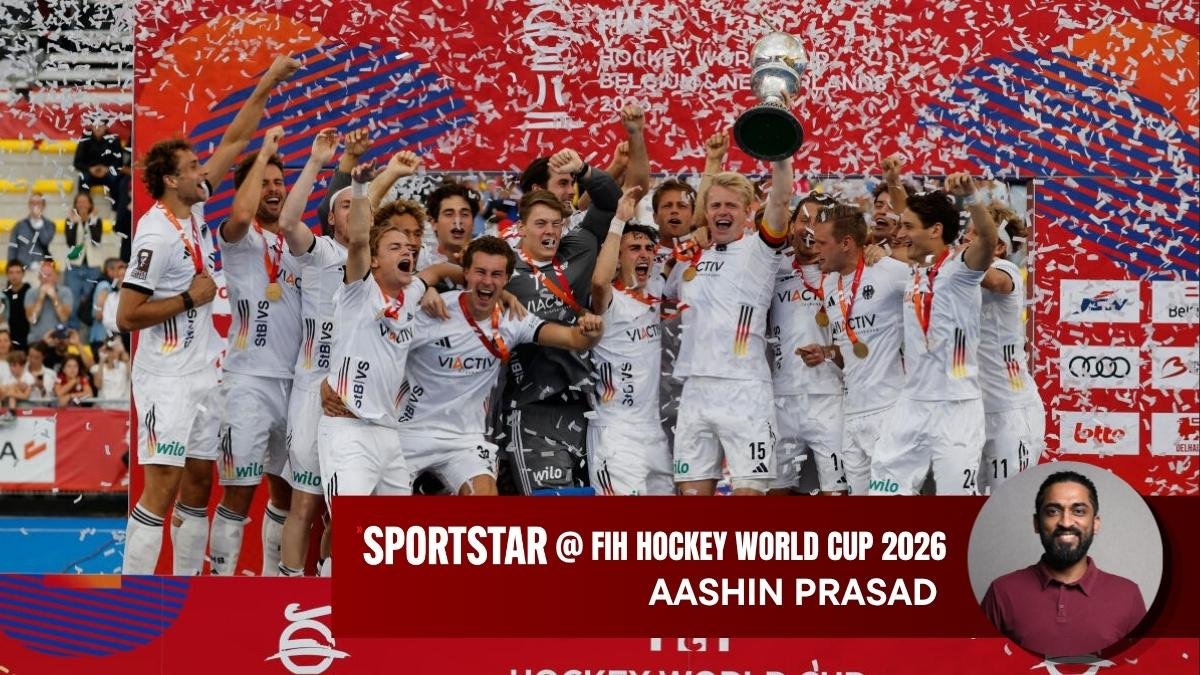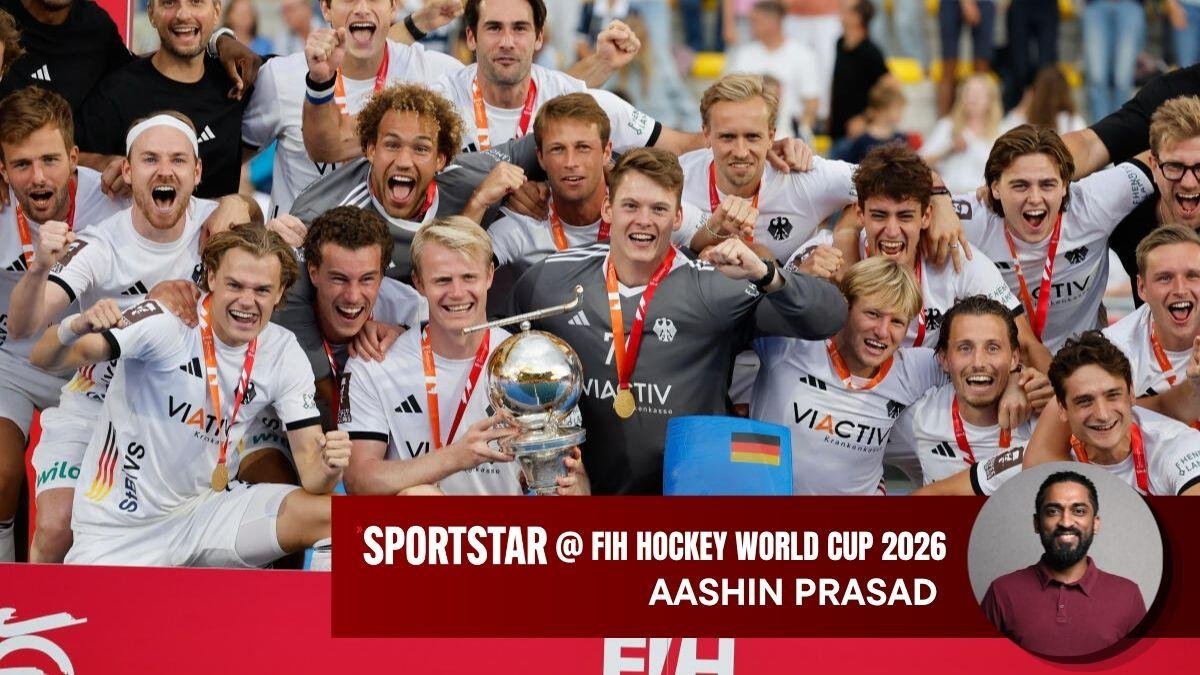
“It’s absolutely crazy to win a world title,” an ecstatic Pasha Gademan, Germany’s assistant coach, said after the Honamas added a fourth star to their shirt.
After all, Germany was supposed to be a team in transition.
The defending champion, ranked No. 5 before the World Cup, had endured a torrid year. It had won just four games, including two against a hapless Pakistan. Its defensive record in the Pro League, where it conceded 46 goals in 16 matches, was only better than Pakistan’s.
In the last couple of years, head coach Andre Henning has also faced a difficult conundrum as several big names from the 2023 World Cup and 2025 European Championship-winning squads have stepped away. Mats Grambusch, Niklas Wellen, Timur Oruz, Lukas Windfeder, Moritz Trompertz and Marco Miltkau had all retired, while dragflick specialist Gonzalo Peillat suffered a serious injury in December.
Of the 18 from the 2023 title-winning squad, only nine made the trip to the Netherlands and Belgium, with the current group made up of several new faces, boasting an average age of just 25.
Belgium, England, Netherlands, Australia and Argentina all had better form and were tipped among the favourites, but not Germany.
But it would have been unwise to dismiss Germany’s chances based on their Pro League rankings. Germany’s lack of centralised training program meant it would struggle in the league’s demanding schedule. Across six editions of the competition before 2025-26, it had never finished inside the top two, while finishing sixth three times.
Yet, during that time, it had won the World Cup, reached an Olympic final and made two Euro finals, winning one. That’s the hallmark of a ‘tournament’ team.
So, at the end of another poor Pro League campaign, with just weeks before the World Cup, something started to shift again within the camp.
“We felt something…we saw something happening in the group,” according to Gademan, who was also part of the coaching staff in 2023. “There was like an amazing spirit that was growing and growing. We kind of became in love with each other, which we managed to show.”
And when the World Cup came around, Germany’s collective spirit shone through in crucial moments. Christopher Ruhr, the elder statesman in this team, called it the ‘German character’.
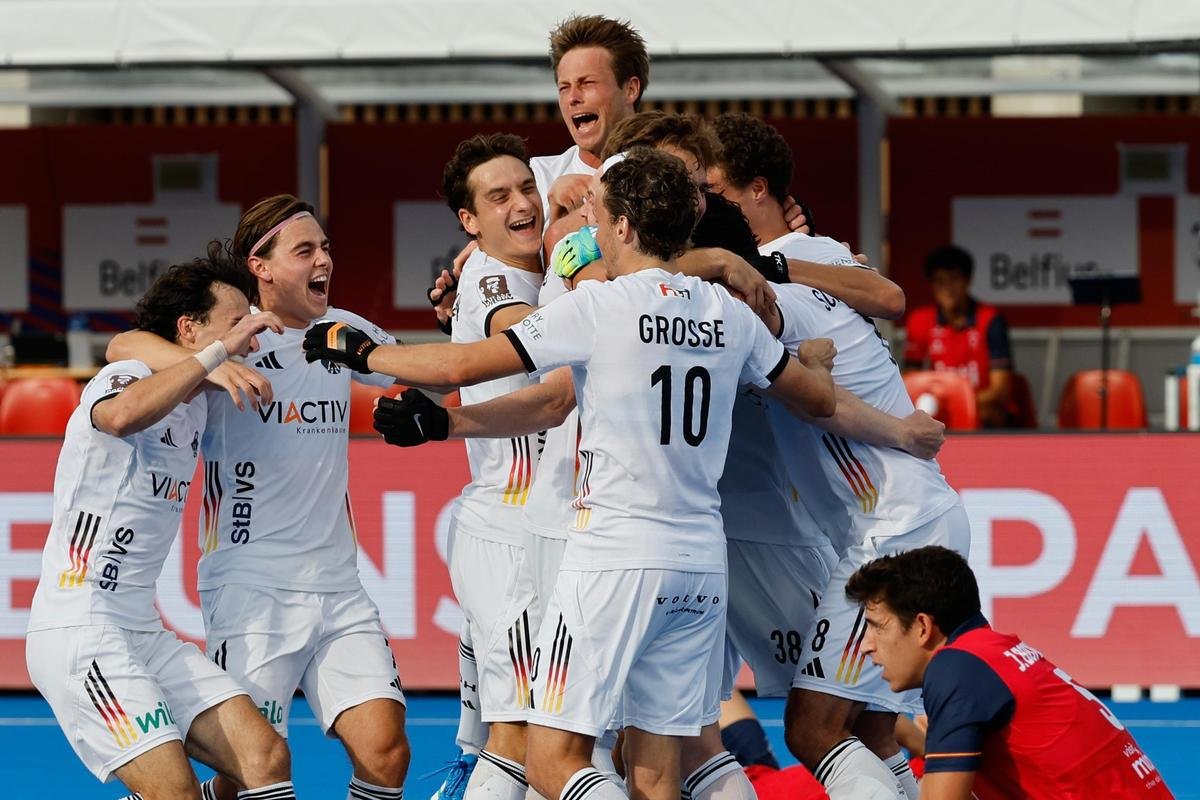
If anyone doubted Germany’s credentials, they were forced to rethink it when it beat Belgium in the Pool stage.
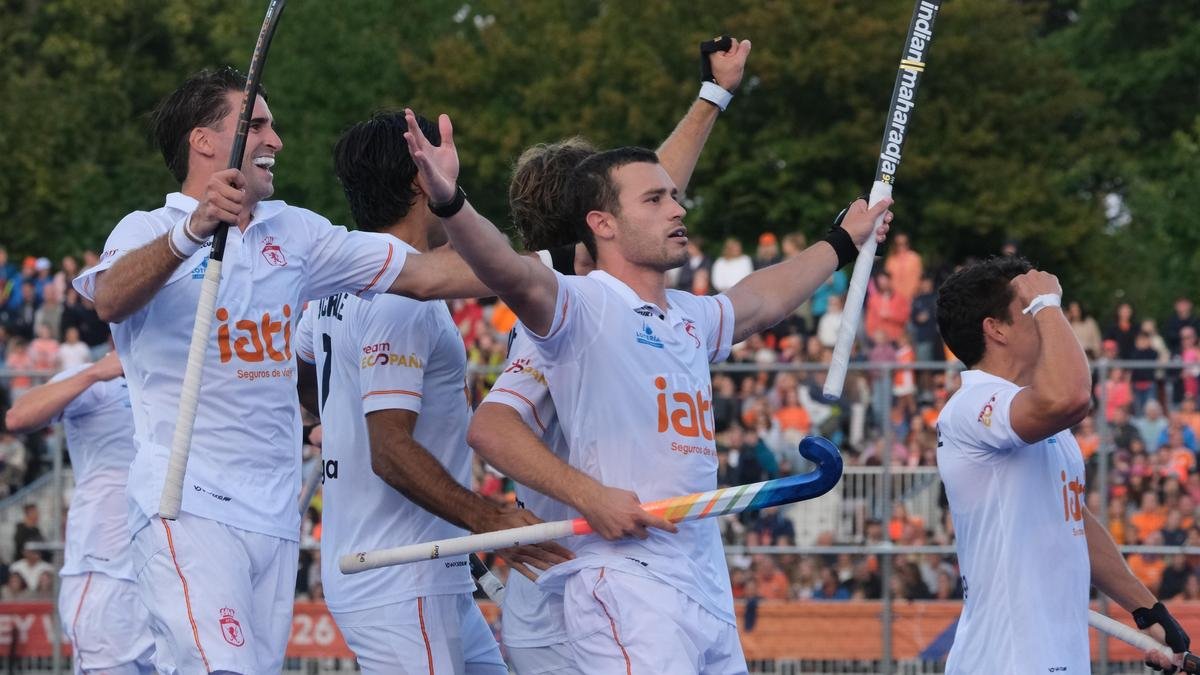
Its only setback came in the 2-1 second-round defeat to Spain, which gave Germany plenty to ponder. “We gave away two easy goals. You can’t do that in a World Cup,” Ruhr said after that game. And Germany learnt from it, conceding just three in the virtual knockout games that followed.
Despite its inexperienced defensive set-up, Germany conceded just seven goals in as many outings in the tournament. Its hard-nosed approach to defending, which was the cornerstone of overcoming Spain in the final, was perfectly embodied by Teo Henrichs with his rushing during penalty corners.
Nothing would have given this side more vindication in its process than when four of its five junior World Cup-winning players contributed two goals apiece, including Michel Struthoff, who scored the decisive goal in an attritional final against Spain. With less than 20 minutes left, the 23-year-old kept his composure to round the ‘keeper to pass the ball into the net.
“We think there’s so much potential and quality [in this squad]. And if we don’t really give them the platform, they’re never going to take these spots,” said Gademan.
Ruhr, who had experienced it before in 2023, was the first player to put his arms up in celebration when it became apparent Spain couldn’t find the equaliser.
“I think we believed it more than the rest of the world did and that’s most important,” Ruhr reflected after the final. “I would never change a Pro League title for a World Cup, European Cup or Olympics, so I don’t really care [about pre-World Cup results]”.
This German team, under Henning, once again proved that when it matters the most, it always finds a way to win.
Published on Aug 31, 2026